ACLU Back-to-School Bookshelf: Our Reading List to Build a More Perfect Union

For nearly a century, the ACLU has defended the freedom to read—and to think—for every American. As the new school year begins, we’ve curated a list of books that do more than inform; they challenge us to build a more equitable future. Our selection spans social justice, history, contemporary analysis, and personal narratives, including frequently banned titles with newfound relevance.
Since 2021, thousands of book titles have been challenged or removed from school libraries, often targeting BIPOC authors, LGBTQ+ creators, and other marginalized voices. These efforts to ban books and restrict discussions—especially on race, gender, sexuality, and systemic injustice—are both unlawful and a serious threat to our right to learn.
The ACLU and our partners are fighting back. We’re challenging censorship in military schools, and in classrooms across the country. We’re also supporting legislative solutions like the Fight Book Bans Act, which would provide funding to school districts defending against censorship attempts and reaffirm that banning books is discriminatory and unconstitutional.
Our series, “ACLU Bookshelf,” lets you join our fight and pick up the texts, novels, nonfiction stories, essays and more that help us form a more perfect union — one page at a time.
So you want to read...
ABOUT SOCIAL JUSTICE
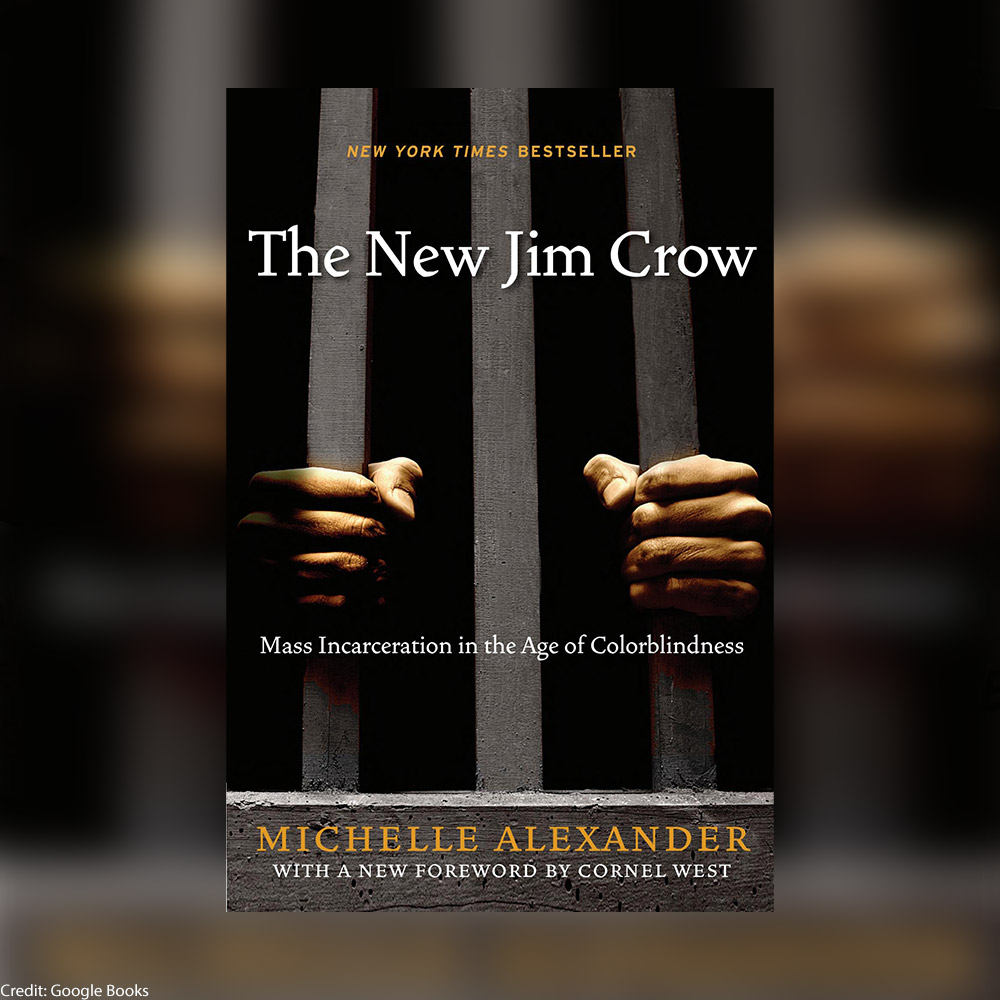
"The New Jim Crow: Mass Incarceration In The Age of Colorblindness" by Michelle Alexander
Michelle Alexander, legal scholar and former litigator, argues that while Jim Crow laws have been erased, systemic racism persists today in the form of mass incarceration targeting Black and brown communities. Alexander explores how criminal justice policies disproportionately affect people of color by stripping them of basic civil rights like voting, employment, housing, and education — despite serving their sentences. She frames this argument as a continuation of racial control reminiscent of the old Jim Crow laws. Alexander then calls for a shift from traditional civil rights strategies to a broader human rights movement that addresses systemic racism at its roots.
A Look Inside: "Jarvious Cotton's great-great-grandfather could not vote as a slave. His great-grandfather was beaten to death by the Klu Klux Klan for attempting to vote. His grandfather was prevented from voting by Klan intimidation; his father was barred by poll taxes and literacy tests. Today, Cotton cannot vote because he, like many black men in the United States, has been labeled a felon and is currently on parole."
Vibe: Fierce, urgent, and unapologetic. For those who are ready to get uncomfortable.
Photo: Courtesy of Google Books
Michelle Alexander, legal scholar and former litigator, argues that while Jim Crow laws have been erased, systemic racism persists today in the form of mass incarceration targeting Black and brown communities. Alexander explores how criminal justice policies disproportionately affect people of color by stripping them of basic civil rights like voting, employment, housing, and education — despite serving their sentences. She frames this argument as a continuation of racial control reminiscent of the old Jim Crow laws. Alexander then calls for a shift from traditional civil rights strategies to a broader human rights movement that addresses systemic racism at its roots.
A Look Inside: "Jarvious Cotton's great-great-grandfather could not vote as a slave. His great-grandfather was beaten to death by the Klu Klux Klan for attempting to vote. His grandfather was prevented from voting by Klan intimidation; his father was barred by poll taxes and literacy tests. Today, Cotton cannot vote because he, like many black men in the United States, has been labeled a felon and is currently on parole."
Vibe: Fierce, urgent, and unapologetic. For those who are ready to get uncomfortable.
Photo: Courtesy of Google Books
A FREQUENTLY BANNED BOOK
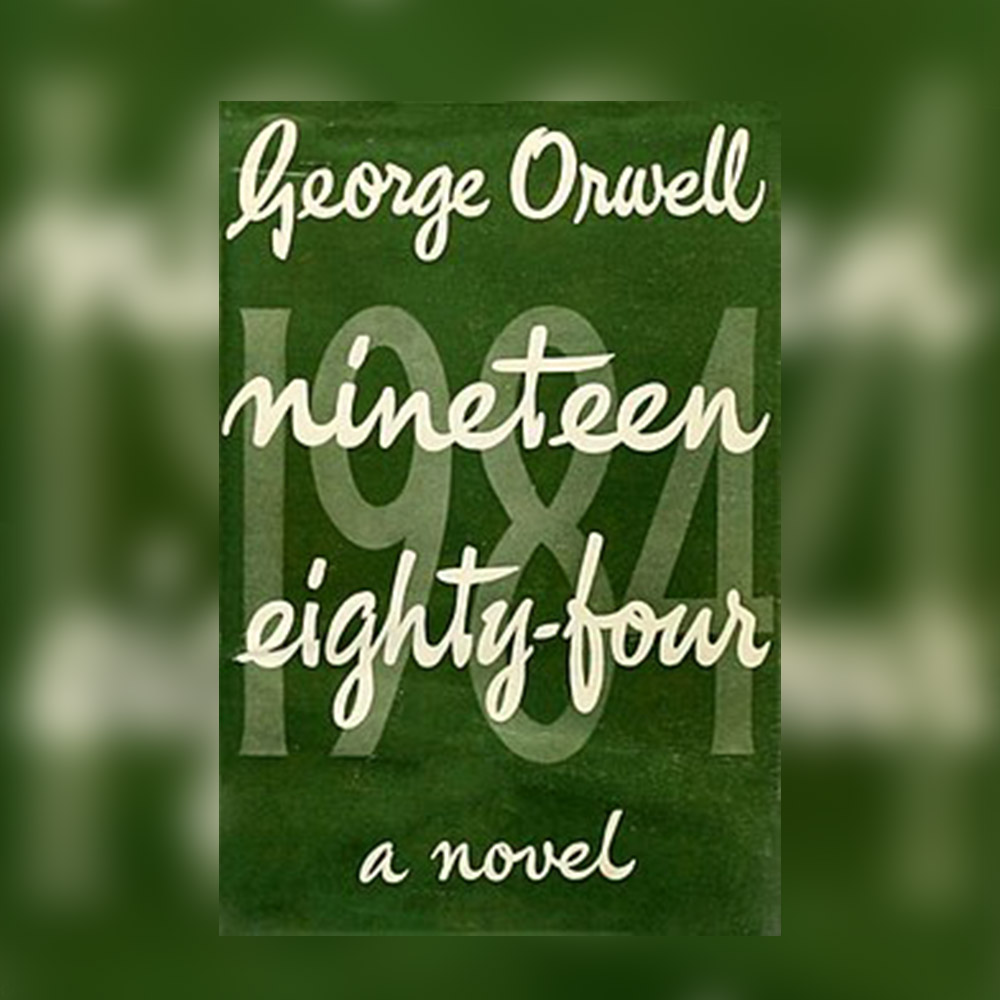
"1984" by George Orwell
A cult classic, this dystopian novel is set in a totalitarian state where the government, led by the omnipresent Big Brother, controls every aspect of life. The story follows Winston Smith, a low-level worker at the Ministry of Truth, who questions the regime’s manipulation of truth, history, and language. As he seeks freedom, he’s met with brutal surveillance, psychological control, and the crushing power of a system that erases dissent. “1984” has been banned for its political themes, sexual content, and perceived anti-government messages, especially during times of ideological tension, such as the Cold War. Its chilling warning about surveillance, propaganda, censorship, and the fragility of truth echoes today’s concerns over digital privacy, authoritarianism, and the manipulation of information in media and politics.
A Look Inside: “For, after all, how do we know that two and two make four? Or that the force of gravity works? Or that the past is unchangeable? If both the past and the external world exist only in the mind, and if the mind itself is controllable — what then?”
Vibe: If you’ve ever worried that your phone is listening to you, this novel’s for you. Orwell saw it coming decades ago, and it’s way scarier on the page.
Photo: Courtesy of Wikipedia
A cult classic, this dystopian novel is set in a totalitarian state where the government, led by the omnipresent Big Brother, controls every aspect of life. The story follows Winston Smith, a low-level worker at the Ministry of Truth, who questions the regime’s manipulation of truth, history, and language. As he seeks freedom, he’s met with brutal surveillance, psychological control, and the crushing power of a system that erases dissent. “1984” has been banned for its political themes, sexual content, and perceived anti-government messages, especially during times of ideological tension, such as the Cold War. Its chilling warning about surveillance, propaganda, censorship, and the fragility of truth echoes today’s concerns over digital privacy, authoritarianism, and the manipulation of information in media and politics.
A Look Inside: “For, after all, how do we know that two and two make four? Or that the force of gravity works? Or that the past is unchangeable? If both the past and the external world exist only in the mind, and if the mind itself is controllable — what then?”
Vibe: If you’ve ever worried that your phone is listening to you, this novel’s for you. Orwell saw it coming decades ago, and it’s way scarier on the page.
Photo: Courtesy of Wikipedia
A HISTORIC TAKE ON OUR RIGHTS
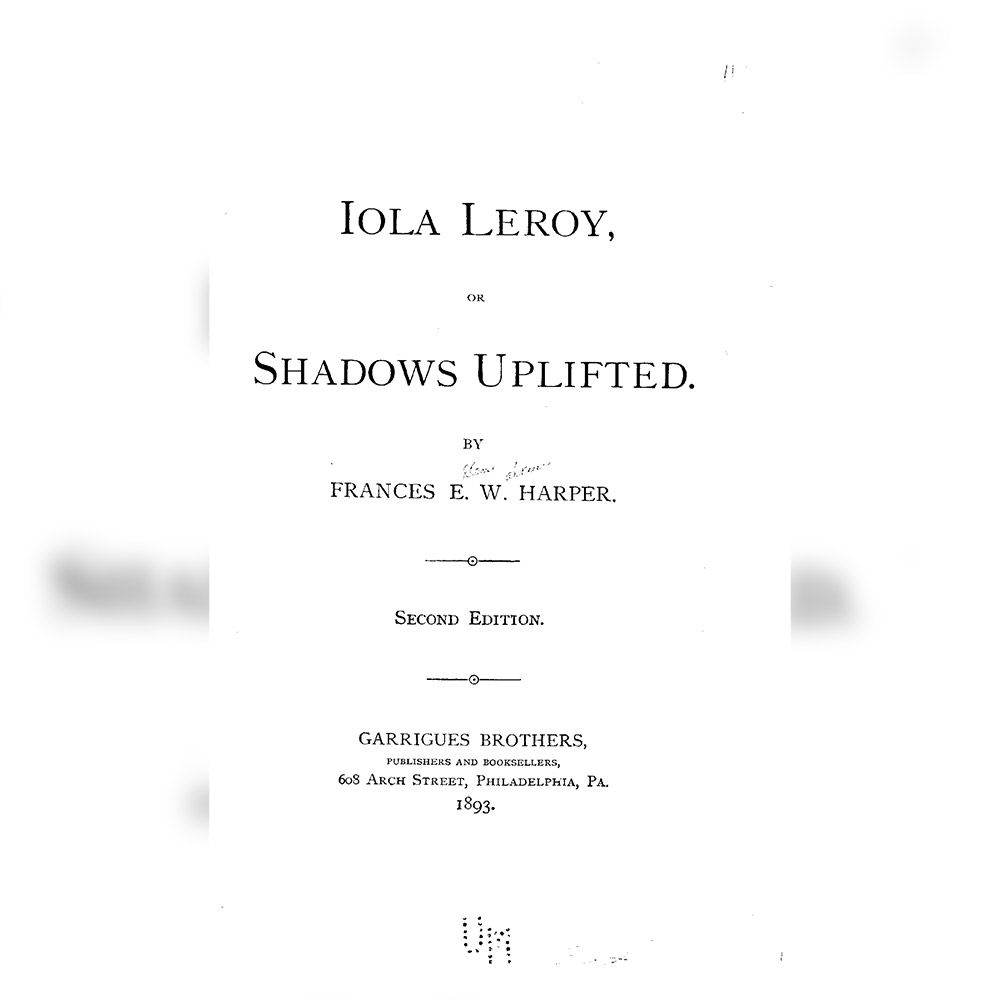
“Iola Leroy Or, Shadows Uplifted” by Frances Ellen Watkins Harper
This is one of the first novels published by a Black woman in the United States and offers a powerful, historically-grounded look at race, identity, and freedom during the Civil War and the Reconstruction era that followed. The story follows Iola, a mixed-race woman who was freed from slavery by the Union army. Afterwards, she works to reunify her family and embrace her heritage, while committing herself to improving the conditions for Black people in post-Civil War America. The novel highlights the work of formerly enslaved people who fought for education, dignity, and political agency. It’s an early literary blueprint for civil rights – emphasizing self-determination, moral leadership, and the transformative power of collective action.
A Look Inside: “It was a strange sight to see these black men rallying around the Stars and Stripes, when white men were trampling them under foot and riddling them with bullets.”
Vibe: For fans of Peggy Scott interviewed Harper in season 3 about her advocacy for women’s voting rights.
Photo: Courtesy of Google Books
This is one of the first novels published by a Black woman in the United States and offers a powerful, historically-grounded look at race, identity, and freedom during the Civil War and the Reconstruction era that followed. The story follows Iola, a mixed-race woman who was freed from slavery by the Union army. Afterwards, she works to reunify her family and embrace her heritage, while committing herself to improving the conditions for Black people in post-Civil War America. The novel highlights the work of formerly enslaved people who fought for education, dignity, and political agency. It’s an early literary blueprint for civil rights – emphasizing self-determination, moral leadership, and the transformative power of collective action.
A Look Inside: “It was a strange sight to see these black men rallying around the Stars and Stripes, when white men were trampling them under foot and riddling them with bullets.”
Vibe: For fans of Peggy Scott interviewed Harper in season 3 about her advocacy for women’s voting rights.
Photo: Courtesy of Google Books
A MODERN TAKE ON OUR RIGHTS
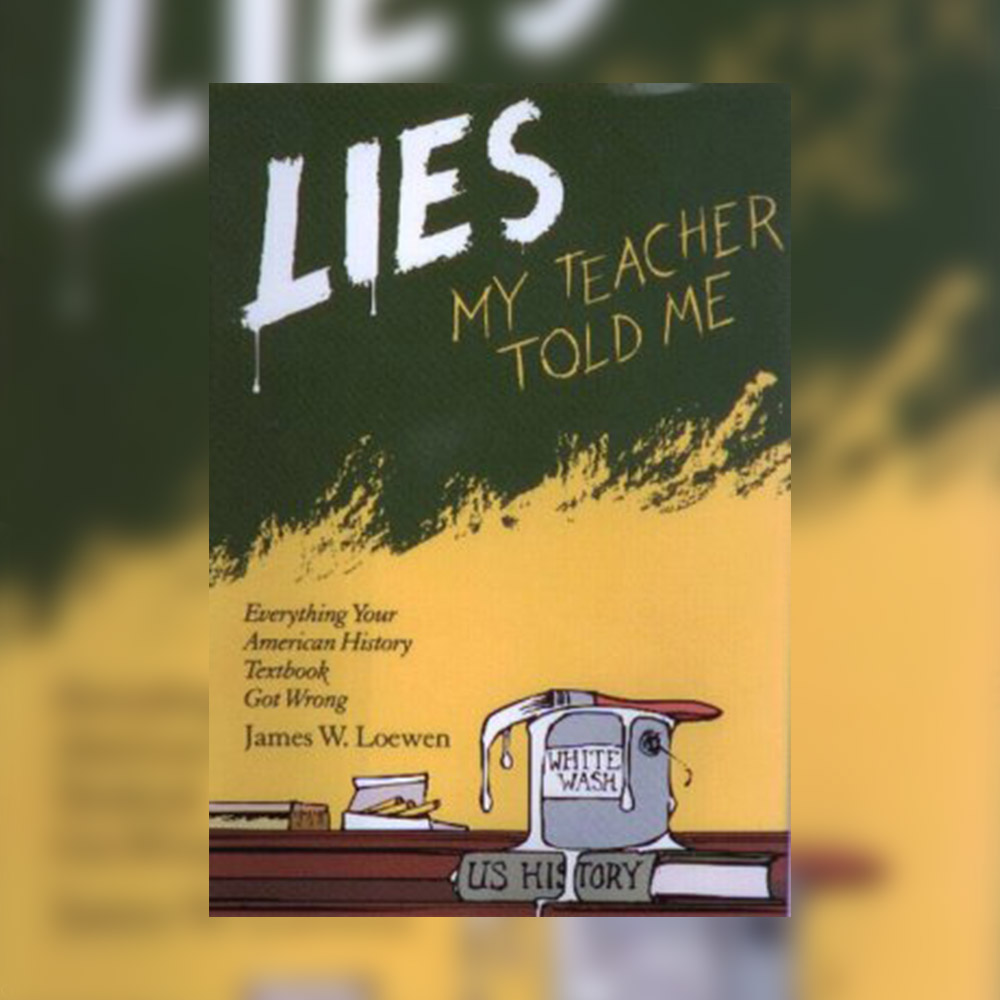
“Lies My Teacher Told Me: Everything Your American History Textbook Got Wrong” by James W. Loewen
In this reader-friendly historical analysis, sociology professor James W. Loewen examines how 12 popular history textbooks present a misleading and sanitized version of the past. He argues that omitting such truths does a disservice to students, discourages critical thinking, and encourages social inequities. Whether it’s the truth about Christopher Columbus or the Vietnam War, this book exposes the systemic racism, oppression, and controversy hidden between the pages of an average history textbook. In doing so, the author calls for students to confront an uncomfortable past in hopes of creating a more empowered future.
A Look Inside: “Textbooks in American history stand in sharp contrast to other teaching materials. Why are history textbooks so bad? Nationalism is one of the culprits. Textbooks are often muddled by the conflicting desires to promote inquiry and to indoctrinate blind patriotism. ‘Take a look in your history book, and you’ll see why we should be proud’ goes an anthem often sung by high school glee clubs. But we need not even look inside.”
Vibe: For a wide audience, especially young people, ready to flip the script on American history.
Photo: Courtesy of Google Books
In this reader-friendly historical analysis, sociology professor James W. Loewen examines how 12 popular history textbooks present a misleading and sanitized version of the past. He argues that omitting such truths does a disservice to students, discourages critical thinking, and encourages social inequities. Whether it’s the truth about Christopher Columbus or the Vietnam War, this book exposes the systemic racism, oppression, and controversy hidden between the pages of an average history textbook. In doing so, the author calls for students to confront an uncomfortable past in hopes of creating a more empowered future.
A Look Inside: “Textbooks in American history stand in sharp contrast to other teaching materials. Why are history textbooks so bad? Nationalism is one of the culprits. Textbooks are often muddled by the conflicting desires to promote inquiry and to indoctrinate blind patriotism. ‘Take a look in your history book, and you’ll see why we should be proud’ goes an anthem often sung by high school glee clubs. But we need not even look inside.”
Vibe: For a wide audience, especially young people, ready to flip the script on American history.
Photo: Courtesy of Google Books
A PERSONAL PERSPECTIVE ON OUR RIGHTS
"On Earth We Were Briefly Gorgeous" by Ocean Vuong
In this poetic message from a son to a mother who cannot read, the speaker, Little Dog, explores his family’s history rooted in Vietnam, as well as the complexities of growing up Vietnamese in America. This debut novel discusses themes of identity, family, and love. It also addresses the harsh realities of the intergenerational trauma of war, immigration, and poverty, while also exploring Little Dog’s awakening to his queerness, his fraught relationship with language, and the pain and beauty of first love. While the poetry and prose is beautiful, Vuong confronts questions about addiction, violence and trauma. This non-linear collection of memories is a story about people who live in two different worlds and how they protect one another without losing themselves – how does one live versus survive?
A Look Inside: “Did you know people get rich off of sadness? I want to meet the millionaire of American sadness. I want to look him in the eye, shake his hand, and say, 'it's been an honor to serve my country.”
Vibe: Lyrical, raw, and intense. This book is perfect for readers who crave poetic storytelling that unpacks identity, queerness, and generational trauma – and for people ready to cry.
Photo: Courtesy of Wikipedia
In this poetic message from a son to a mother who cannot read, the speaker, Little Dog, explores his family’s history rooted in Vietnam, as well as the complexities of growing up Vietnamese in America. This debut novel discusses themes of identity, family, and love. It also addresses the harsh realities of the intergenerational trauma of war, immigration, and poverty, while also exploring Little Dog’s awakening to his queerness, his fraught relationship with language, and the pain and beauty of first love. While the poetry and prose is beautiful, Vuong confronts questions about addiction, violence and trauma. This non-linear collection of memories is a story about people who live in two different worlds and how they protect one another without losing themselves – how does one live versus survive?
A Look Inside: “Did you know people get rich off of sadness? I want to meet the millionaire of American sadness. I want to look him in the eye, shake his hand, and say, 'it's been an honor to serve my country.”
Vibe: Lyrical, raw, and intense. This book is perfect for readers who crave poetic storytelling that unpacks identity, queerness, and generational trauma – and for people ready to cry.
Photo: Courtesy of Wikipedia
Learn More About the Issues on This Page
Related Content
-
Press ReleaseFeb 2026
Free Speech
New Filings Detail Harrowing Accounts Of Ice And Border Patrol Violence And Intimidation Against Minnesotans. Explore Press Release.New Filings Detail Harrowing Accounts of ICE and Border Patrol Violence and Intimidation Against Minnesotans
MINNEAPOLIS – Today, the American Civil Liberties Union, the ACLU of Minnesota, and pro bono partners filed an amended complaint and over 80 declarations with the U.S. District Court for the District of Minnesota further exposing the harm Minnesotans are experiencing daily at the hands of federal agents. These filings show that federal agents, including Immigration and Customs Enforcement (ICE) and Border Patrol, are continuing to violate the rights of people observing, documenting, and protesting ICE activity in their neighborhoods. “The dozens of stories we shared with the court today only represent a small percentage of the Minnesotans whose constitutional rights were violated by federal agents since December,” said Alicia Granse, staff attorney with ACLU of Minnesota. “Many of our plaintiffs and declarants said they were afraid for their safety after their encounters with federal agents. Despite that understandable fear, they are boldly sharing their stories to demand accountability from the federal government.” The amended complaint adds five new plaintiffs, including TNG-CWA, the largest labor union representing journalists and media professionals, and independent news outlet Status Coup News. It also alleges a policy and pattern of retaliation against people for gathering information about, recording, and protesting federal immigration agents’ activity in public, including through the use of chemical agents, excessive force, unlawful arrest, and surveillance and intimidation. “The First Amendment unequivocally protects the right to gather information about, record, and peacefully protest federal agents carrying out their duties in public view,” said Scarlet Kim, senior staff attorney with ACLU’s Speech, Privacy, and Technology Project. “DHS has engaged in a relentless campaign to trample these rights in order to silence and cow those who expose their brutal immigration enforcement tactics. We will use every legal means available to seek accountability for these abuses and to defend the right to document and criticize government lawlessness without fear or intimidation.” The declarations, filed by a diverse group of over 80 community members, recall government intimidation, aggression, and even violence against people documenting, protesting, and witnessing ICE activity. Examples include: “The ICE agent did not say anything to me. Instead, he lowered his window, and pepper sprayed me directly in the face at extremely close range. At no point did ICE give any kind of warning, order, or instruction—not even a verbal “back up”—before pepper spraying me. Had the agent issued even the simplest verbal instruction, I would have complied immediately.” (S.I.) “On the ride over, the agents berated us, telling us that we had interrupted a secret operation to arrest a child abuser. They told me that I deserved what I got for interrupting their operation. I told them that they had been seen knocking on door after door. They did not respond. I told them that they were not treating people with dignity. They did not respond. They asked why I had gone out to observe their operation. I told them that I had seen videos of them mistreating people by tearing families apart and that I wanted to stand up to that. One of the agents admitted to me that it did break his heart to see families torn apart but added that it did not matter.” (J.D.) “I began to turn to leave the area. Next thing I knew, I was being body-slammed into a hard surface. I felt very afraid... With the agents on top of me, I could not breathe... I felt like George Floyd. One of the agents told me to “Shut the fuck up.” I then felt someone place the nozzle of a pepper spray can behind my glasses... I felt searing pain, some of the most intense pain I have felt in my life. I had only been in the area for a few minutes. I had not done anything wrong.” (C.K.) “A woman wearing a gaiter-style mask then leaned out of the front passenger side window of the SUV. She yelled, ‘Emily, Emily, we're going to take you home.’ She then repeated my name again and repeated that they would take me home. She then said my address. She repeated, in a mocking tone, that they were going to escort me home. I was freaked out. I did not care that they had my name, but I was scared for my family. The agents had told me, in effect, that they knew where I lived and could come and get me and my family at any time.” (E.B.) Tincher v. Noem was initially filed by the ACLU of Minnesota and pro bono partners on Dec. 17, 2025, on behalf of six Minnesota residents whose constitutional rights were violated by ICE and other federal agents.Court Case: Tincher v. Noem et al.Affiliate: Minnesota -
Press ReleaseFeb 2026
Free Speech
Landmark Settlement Announced In Lawsuit Challenging Unlawful Questioning Of Journalists At The Border. Explore Press Release.Landmark Settlement Announced in Lawsuit Challenging Unlawful Questioning of Journalists at the Border
NEW YORK – In a win for freedom of the press, the American Civil Liberties Union, the New York Civil Liberties Union, ACLU of San Diego, and Covington & Burling LLP announced a settlement today in a federal lawsuit challenging the unlawful targeting and questioning of five photojournalists at the U.S.-Mexico border. The lawsuit, filed in November 2019 in federal court in the Eastern District of New York against U.S. Customs and Border Protection (CBP) and U.S. Immigration and Customs Enforcement (ICE), claimed that border officials violated the journalists’ First Amendment rights. The journalists claimed that they were unconstitutionally targeted for secondary inspection, detention, and questioning by U.S. border officials on the basis of their reporting near the U.S.-Mexico border in 2018 and 2019. In March 2021, the district court denied the government’s motion to dismiss the case, holding that the plaintiffs had plausibly alleged that border officials violated their First Amendment rights. The case was settled in January 2026. “The future of our democracy depends on the freedom of the press, now more than ever,” said plaintiff Bing Guan. “It’s clear the government’s actions were meant to instill fear in journalists like me, to cow us into standing down from reporting what is happening on the ground. After being targeted for doing just that, I am grateful for what our lawsuit has achieved in defending the rights of journalists to report free from government officials’ scrutiny.” “This settlement confirms what we already knew: what happened to us was wrong,” said plaintiff Kitra Cahana. “Government officials should never put journalists on secret lists, interfere with our ability to work and travel, or pressure us for information at border crossings. My biggest fear is that other journalists may have avoided important stories out of fear of being targeted themselves. Press freedom is not a partisan issue. Everyone should be alarmed when journalists are targeted.” The plaintiffs, journalists Bing Guan, Go Nakamura, Mark Abramson, Kitra Cahana, and Ariana Drehsler, are all U.S. citizen professional photojournalists who — between November 2018 and January 2019 — traveled to Mexico to document people traveling north from Central America by caravan to reach the U.S.-Mexico border. Following their reporting on conditions at the border, these five photojournalists were detained and interrogated by U.S. border officers, who sought information about their sources and observations as journalists. Shortly after, government database information leaked to NBC San Diego in March 2019 revealed that the Department of Homeland Security (DHS) had engaged in wide-ranging intelligence collection targeting activists, lawyers, and journalists — including these five journalists. “The First Amendment applies at the border to protect freedom of the press,” said Esha Bhandari, director of the ACLU Speech, Privacy, and Technology Project. “We are thankful to have secured redress for these journalists, to allow them to do their jobs reporting on the news free from unjustified government scrutiny.” As part of the settlement, CBP must issue guidance to certain CBP units regarding the First Amendment and Privacy Act protections that apply when questioning journalists at the border. CBP must also take certain steps to ensure that the journalists’ past reporting at the U.S.-Mexico border should not serve as a basis for future border questioning. The settlement also includes an amount for costs and attorneys’ fees.Court Case: Guan v. WolfAffiliates: San Diego & Imperial Counties, New York -
Press ReleaseFeb 2026
Free Speech
Department Of Homeland Security Withdraws Subpoena Targeting Man Who Criticized Them. Explore Press Release.Department of Homeland Security Withdraws Subpoena Targeting Man Who Criticized Them
SAN FRANCISCO – In a win for free speech and privacy rights, the Department of Homeland Security withdrew an administrative subpoena it had sent to Google seeking personal information about Jon Doe, a Philadelphia-area man who sent an email to a DHS official asking them to “apply principles of common sense and decency” in the government’s treatment of a man seeking asylum from Afghanistan. Doe sent the email after reading about the case in the Washington Post. Just four hours after Doe sent the email, DHS issued an administrative subpoena to Google seeking a variety of information about Doe and his Gmail account. About two weeks after he was notified about the subpoena, two DHS agents and a local police officer showed up to his home to interrogate him about the email. Doe challenged the subpoena, arguing that it violated his First Amendment rights and was issued in violation of federal law. “Questioning the government without fear of retaliation is a sign of a healthy democracy,” said Jon Doe. “Agents requesting information from your email provider and showing up to your door after you express your opinion is not. I am grateful that I am no longer under investigation, and I am glad to have shined a light on this abusive tactic before they target someone else.” Administrative subpoenas like the one sent to Google about Doe are not self-enforcing and not signed by a judge. They are often issued silently, without the person they target knowing about them unless notified by the recipient, such as an Internet company, school, or employer. DHS has used them previously to try to unmask anonymous social media users who posted about ICE raids and to pressure Columbia University into sharing information about a student who had participated in pro-Palestinian protests. After the ACLU of Northern California and ACLU of Pennsylvania filed motions challenging some of these subpoenas targeting Instagram and Facebook users, DHS withdrew the subpoenas. “This is a resounding win for our First Amendment rights," Stephen A. Loney, ACLU-PA senior supervising attorney. "Administrative subpoenas like this one are abusive tactics intended to chill speech and punish us for disagreeing with the government. By standing up to their bullying tactics, we’re sending a message too: you can stand up for your rights, and you can win.” The motion to quash the subpoena was filed in the U.S. District Court for the Northern District of California by the American Civil Liberties Union, the ACLU of Northern California, and the ACLU of Pennsylvania. “Companies like Google know a lot about us, and we shouldn’t have to worry that the government is going to strongarm them for our information if we say something it doesn’t like,” said Jennifer Granick, surveillance and cybersecurity counsel with the ACLU’s Speech, Privacy, and Technology Project. “Administrative subpoenas like this one are insidious -- we challenge this abusive tactic whenever we can because it is our First Amendment rights on the line.” The notice of dismissal can be viewed here.Court Case: Doe v. DHSAffiliates: Northern California, Pennsylvania -
Press ReleaseFeb 2026
Free Speech
Immigration Judge Terminates Removal Proceedings Against Child Development Scholar Rümeysa Öztürk. Explore Press Release.Immigration Judge Terminates Removal Proceedings Against Child Development Scholar Rümeysa Öztürk
NEW YORK – Attorneys for Rümeysa Öztürk submitted documents in federal court today announcing that removal proceedings against the Tufts University Ph.D. student have been terminated by an immigration judge. “Today, I breathe a sigh of relief knowing that despite the justice system’s flaws, my case may give hope to those who have also been wronged by the U.S. government" said Rümeysa Öztürk. "Though the pain that I and thousands of other women wrongfully imprisoned by ICE have faced cannot be undone, it is heartening to know that some justice can prevail after all. I grieve for the many human beings who do not get to see the mistreatment they have faced brought into the light. When we openly talk about the many injustices around us, including the treatment of immigrants and others who have been targeted and thrown in for-profit ICE prisons, as well as what is happening in Gaza, true justice will prevail.” On March 25, 2025, Ms. Öztürk was detained by plainclothes ICE agents in Somerville, Massachusetts in retaliation for an op-ed she co-authored in the Tufts Daily. Her legal team filed a petition and complaint with the federal court in the District of Massachusetts challenging her unconstitutional detention by ICE and arguing that it violated the First and Fifth Amendments. Without informing the court or her counsel, ICE had shuttled her across state lines to Vermont—where she was at the time of her habeas petition being filed, resulting in the case ultimately being transferred to the District of Vermont—and eventually to a detention facility in Louisiana. On May 9, six weeks after her arrest, a Vermont district court judge ordered Ms. Öztürk’s release from detention on bail on May 9. The government appealed the District Court’s transfer order to the Second Circuit Court of Appeals. Oral arguments were heard by a three-judge panel on September 30, 2025, and a decision is still pending. “The Trump administration has weaponized our immigration system to target valued members of our communities, including scholars like Rümeysa,” said Mahsa Khanbabai of Khanbabai Immigration Law. “It has manipulated immigration laws to silence people who advocate for Palestinian human rights and the ongoing humanitarian crisis in Gaza. Secretly revoking the visa of someone who has maintained their lawful immigration status as an excuse to detain them and place them into deportation proceedings, on the basis of free speech, is Kafkaesque. With this ruling, Judge Patel has delivered justice for Rümeysa; now, I hope that other immigration judges will follow her lead and decline to rubber stamp the president’s cruel deportation agenda.” “This decision underscores the importance of allowing federal courts to review challenges to immigration detention” said Jessie Rossman, legal director at the ACLU of Massachusetts. “Without federal court jurisdiction, the government could punitively and unlawfully detain any noncitizen for months based solely on their speech so long as it simultaneously began removal proceedings, even where, as here, an Immigration Judge ultimately agrees that there is no lawful basis for removal. It is for this reason that habeas proceedings have been and remain a fundamental bulwark against the unconstitutional loss of liberty." On December 5, 2025 a federal judge in Massachusetts ruled that Ms. Öztürk’s Student and Exchange Visitor Information System record was wrongfully terminated and must be reinstated, allowing her to fully participate in her educational and training program once more. While the government filed a notice of appeal of this decision on February 6, 2026, her SEVIS record remains reinstated. On January 22, 2026, another federal judge in Massachusetts determined in AAUP v. Rubio that the government’s policy of arresting and detaining scholars like Ms. Öztürk violated the First Amendment, and documents released as part of the case confirmed that the government targeted her solely on the basis of the op-ed. Ms. Öztürk is represented by the ACLU, ACLU of Massachusetts, ACLU of Vermont, CLEAR, Emery Celli Abady Brinckerhoff Ward & Maazel LLP, Mahsa Khanbabai, and Kerry Doyle. A copy of the 28J letter filed in federal court is available here.Court Case: Öztürk v. TrumpAffiliates: Massachusetts, Vermont